After the devastating Black Summer bushfires ravished through areas of Far East Gippsland, locals saw the impact of the bushfires on wildlife habitat and sediment build up causing poor water quality in the area. Far East Victoria Landcare have secured funding from the Landcare Led Bushfire Recovery Grant program and over $324,000 will assist local landholders in Wairewa, Goongerah and Wallagaraugh to re-establish wetlands and protect waterways in far east Gippsland to improve water quality and habitat values across the catchments.
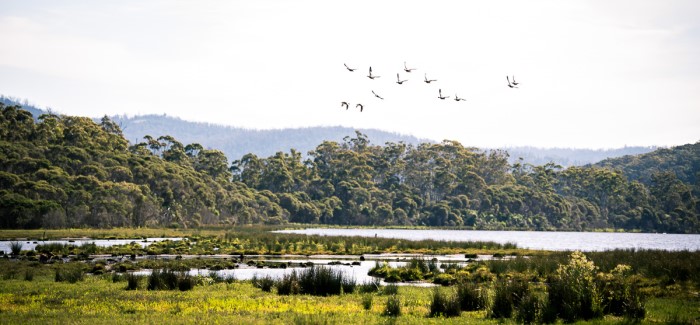
Erosion exacerbated by the loss of vegetation post fire in the catchments of Hospital Creek in Wairewa and the Brodribb River in Goongerah is severe enough to be causing sediment and nutrient run-off into waterways. This is impacting water quality and aquatic wildlife from the top of the catchment, through to the ocean. The increased fine sediment and nutrients reduces the ability for algae and other aquatic plants to grow and are also associated with seasonal blue-green algal blooms, impacting local fish populations.
Landcarers are helping mitigate erosion and slow water flows, by revegetating waterways, where root networks from plants will hold sediment in place, as well as the strategic placement of rocks and large woody debris, such as fallen logs. Fencing works will also be undertaken to protect sites from damage caused by both deer and stock.
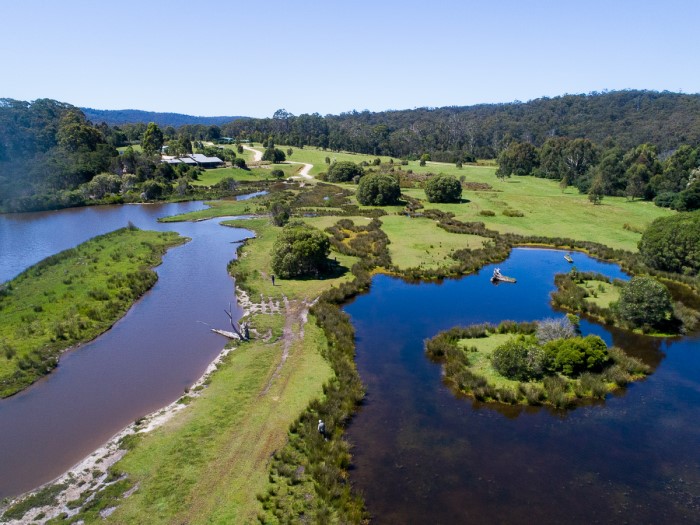
In Wallagaraugh, dedicated and passionate landowner Tony Brindley will expand on his already significant work, with stage two of the very successful Walla Wetlands and Wildlife Recovery Project on his 440-acre property along the Wallagaraugh River. Tony is an 80-year-old environmentalist who has established over 400 wetlands in his career. His property was previously cleared for cattle grazing, and he has been working over the last 22 years to restore the land into a flourishing wildlife sanctuary by establishing wetlands and undertaking tree planting projects.
Stage one of the wetlands project in Wallagaraugh commenced in 2006 and saw the construction of nine wetlands and the establishment of 77,000 locally indigenous plants. The funding from the Landcare Led Bushfire Recovery Grants Program will establish three more wetlands, and plant over 5,500 indigenous plants, adding value to previous Federal Government investment. The project will also help develop a substantial wildlife corridor for critical species including White-bellied Sea eagle on the Trust for Nature conservation covenant protected site and will complete Tony’s lifelong dream for wildlife habitat and environmental outcomes on his property.
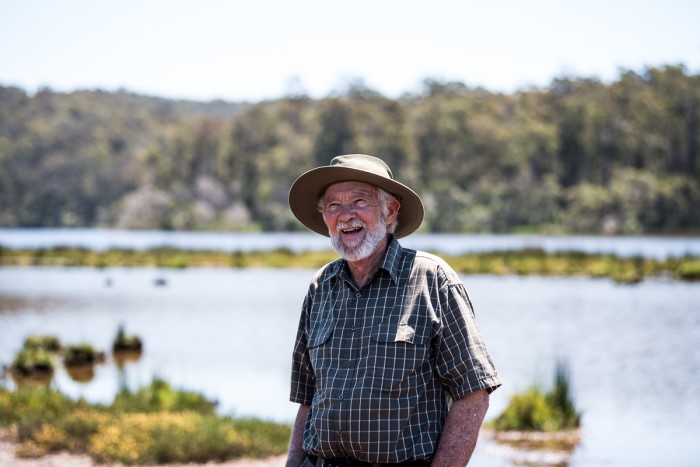
“After caring and breeding native birds, mammals, reptiles, frogs, and fish for 70 years, I have witnessed the tragic extinction of many Australian wildlife species due to destruction of their habitat. My wife Julie and I are ecstatic and very proud to have seen wildlife including endangered and vulnerable species including Screaming Tree Frog return to area as a result of transforming our property” Mr Brindley said. “We hope that we can lead by example and educate others the importance of restoring and maintaining the environment for wildlife to return to a balance”.
Penny Gray, Landcare Facilitator of Far East Victoria Landcare said, “the landholders that we’ve been engaged with have been trying to alleviate erosion on their properties for quite some time, they understand the impacts erosion can have on their land but have not had the opportunity to be able to fix it. So it is wonderful the Landcare Led Bushfire Recovery Grant program is giving them this opportunity and we can support them”.
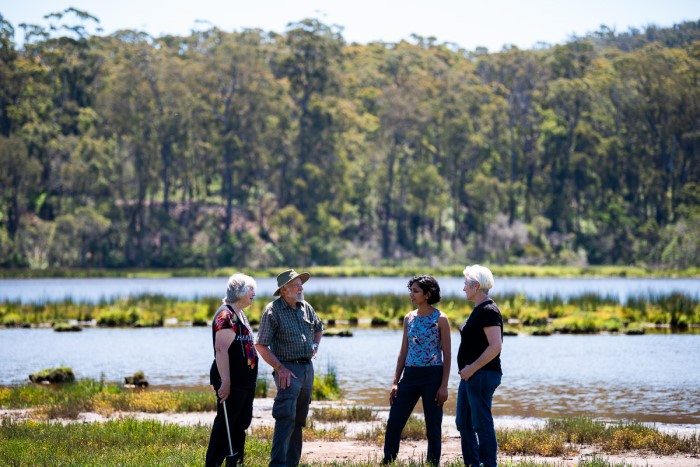
Watch video: credit Drift Media https://vimeo.com/631637933/5625d8690d
Photos: credit Annette Ruzika
Funded by the Australian Government, the $14 million Landcare Led Bushfire Recovery Grants are supporting projects in regions impacted by the Black Summer bushfires of 2019–20.
For further information visit landcareledbushfiregrants.org.au